
Marry Then Die
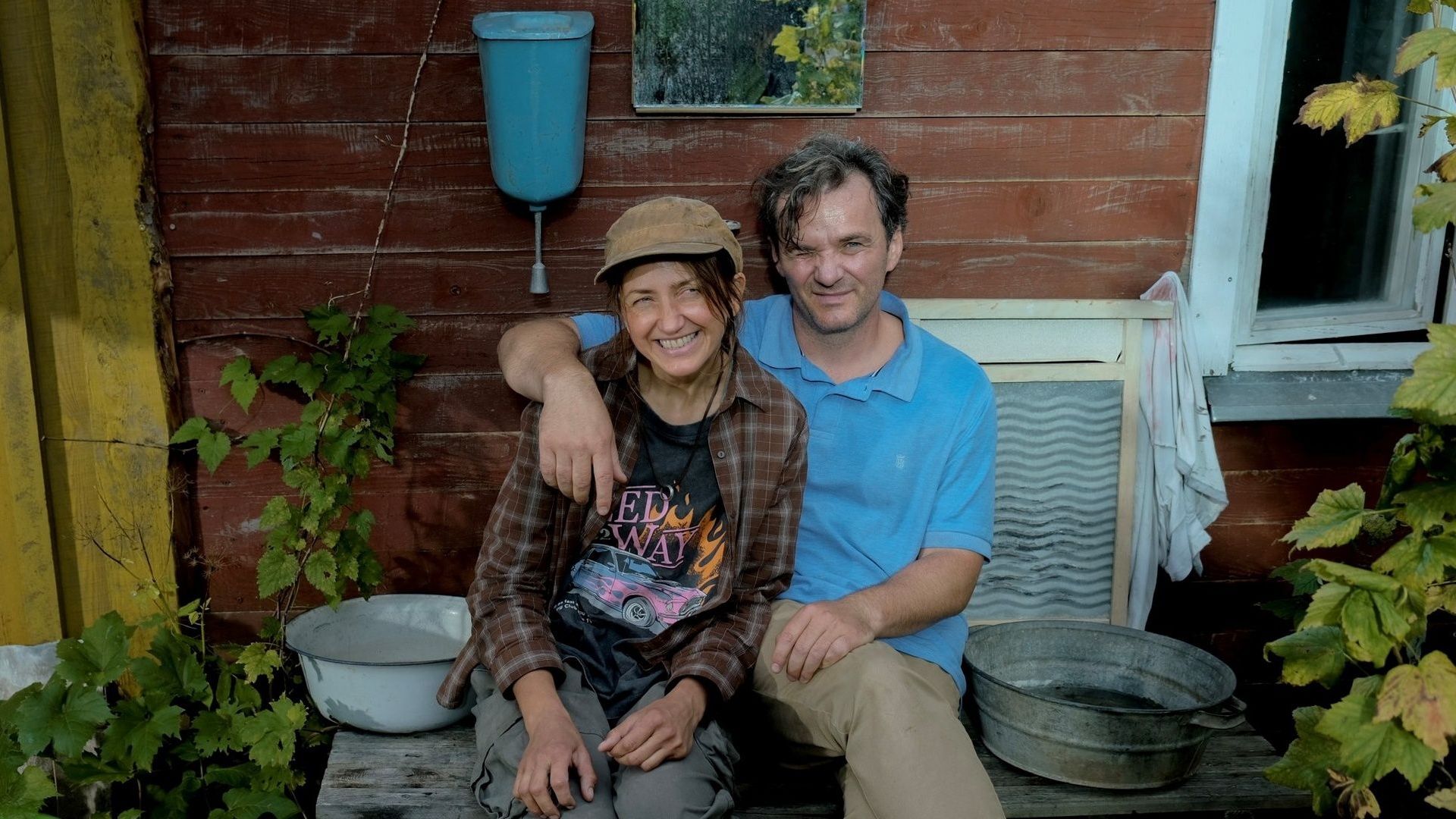
Zigis and Anya make a fateful agreement: he will help her die, but only after they marry.
Zigis (42), a lazy dreamer living in his car, needs to inherit his dying grandmother's house to fulfil his dream of opening a luxury pet hotel. But first, she wants to see him married. He meets Anya (39), who plans to die after losing her husband, but her alien hand syndrome keeps sabotaging her suicide attempts. Zigis desperately proposes, and Anya accepts on one condition: after the wedding, he must help her die. But as they navigate their unusual pact, they discover that getting married is easy. Killing, on the other hand, not so much.

Director's note
Unfortunately, in my family there has long been a painful "tradition" of suicide. It began with my grandparents, continued with my foster parent, and has touched friends who were still young. These experiences keep bringing me back to the same question: why?
Very often, the answer seems painfully simple: loneliness – the feeling that nobody truly understands you or that your presence no longer matters. My grandmother experienced this after retirement, when the role that had given her purpose – helping raise her grandchildren – was no longer needed. This moment, when a person feels unneeded in the world, lies at the emotional core of Marry Then Die.
Zigis and Anya are two lonely people who believe their lives have failed, but gradually rediscover the possibility of connection. The film begins with a pact about death but reveals itself as a story about the stubborn persistence of life.
During development, the story evolved into a dark romantic tragicomedy, balancing melancholy, warmth and absurdity. The humour never comes from death itself, but from the awkward ways flawed people try to cope with being alive.
The performances will remain naturalistic, supported by an observational, handheld camera that stays close to the characters. Latvian environments ground the story in reality while carrying a subtle fairy-tale quality.
Meanwhile, Anya's alien hand syndrome also takes on a symbolic meaning – her rebellious hand becomes an expression of the instinct to keep living, even when she consciously wants her life to end.
Ultimately, Marry Then Die is about people who feel invisible. Through humour, awkwardness and tenderness, I want to explore how caring for another person can become a reason to remain.
Biography
Elza Gauja is an award-winning Latvian director, screenwriter and actress, and a PhD candidate in film studies. She studied film directing and acting at the Latvian Academy of Culture. Her films include A Postcard from Rome (2024), Keep Smiling, Mom! (2022), and the documentary Meanwhile in Lucavsala (2022). Her work blends dark humour with intimate deeply emotionally grounded storytelling and a close observation of human relationships. She is currently working on her third fiction feature film.

Producer's note
Over the past four years, we have had the privilege of developing Marry Then Die together with writer-director Elza Gauja. From the beginning, the project has been about people we often pass by without truly seeing – those living on the margins of society, struggling with homelessness, addiction or isolation. Elza's vision looks beyond these labels to reveal complex, funny and deeply human characters.
At the heart of the film is an unusual agreement: Anya will marry Zigis so that his dying grandmother Rasma leaves him her house, on the condition that Zigis helps Anya end her life. Through this darkly ironic premise, the film explores loneliness, suicide, mortality and our need for connection. Yet it does so with Elza's characteristic warmth and humour, finding absurdity and tenderness even in the darkest situations. Ultimately, it is a film about how caring for another person can become a reason to stay alive.
The project's participation in the Baltic Event Co-Production Market confirmed its international potential. Conversations with industry professionals from across Europe showed us that the themes at the core of the story transcend its distinctly Latvian setting.
The film is now in production, supported by the National Film Centre of Latvia, with an experienced Latvian creative team. We are also collaborating with Miha Černec and Staragara on sound post-production and original music. Having followed Elza's journey from Keep Smiling, Mom! to A Postcard from Rome, winner of Best Feature Film at the 2024 Latvian National Film Awards, we believe Marry Then Die marks an ambitious next step in her filmmaking.
At Baltic Event Works in Progress, we hope to introduce the film to international sales agents, distributors, festival programmers and potential post-production partners who can help us bring this unusual, tender and darkly humorous story to audiences beyond Latvia.
Biography
Līva Vernere is a Riga-based Latvian creative film producer. Since entering the industry in 2020, she has produced eight short films across several production companies. In 2024, she joined VFS Films, where she is developing her first feature projects. Working across fiction, documentary, and music videos, Vernere focuses on close collaboration with directors and supporting bold, emotionally grounded stories.
Biography
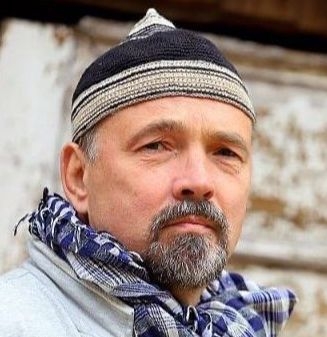
Uldis Cekulis is a Latvian producer and founder of VFS FILMS, established in 1997. Recipient of the International Trailblazer Award in Cannes, he has produced over 50 creative documentaries and docu-series, sometimes also working as cinematographer. His films, including Bridges of Time, Ukrainian Sheriffs, The Jump and The Rossellinis, premiered at major festivals including Venice, IDFA and Shanghai. He is an EFA member and international documentary mentor.
Profile
Founded in 1997, VFS Films is an independent Latvian production company with a strong record in international co-production. Its award-winning fiction, documentaries and animation bring Baltic stories and talent to international audiences and major film festivals worldwide.