

Death of a Horse
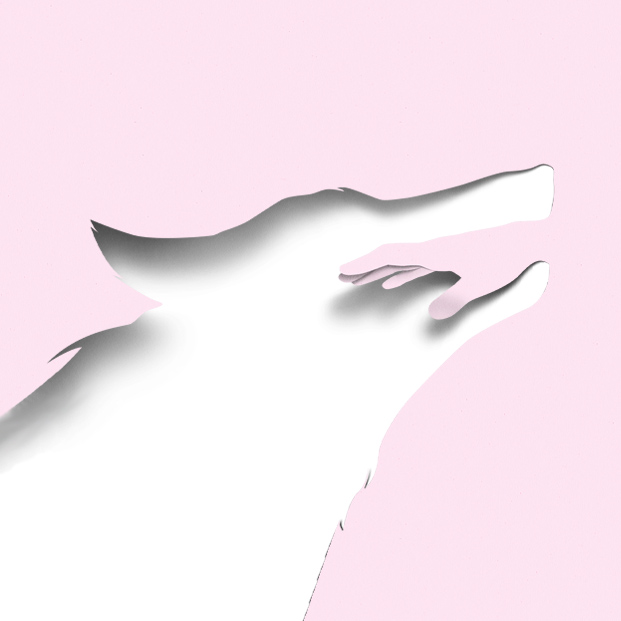
An award-winning stallion is found dead during a competition. The owner runs a murder investigation.
Just as the stallion Blesi becomes a favourite to win the National Championship, he is found dead. The title would have made his owner, Auður, a fortune.
She demands an investigation, but the local police refuse to treat the death of a horse as murder. Determined to find the killer, Auður must run her own investigation into the eccentric community of Icelandic horse riders.
The rider Valdimar wins the tournament and tries to thwart Auður's quest for truth and justice. But she persists and soon starts unearthing secrets that should have stayed buried, with grave consequences for the community and herself.
Director's note
Our series is set in the wild and beautiful subarctic territories of Iceland. Accordingly, we will borrow much of our palette from the strengths of nature – the dark blue of the sea and storm-washed skies, the dark cyan-green of grassy plains, the rich black of lava stone and slate-grey clouds. Complementing this are earthy elements – the wood and sand of horse corrals and barns and the warm tones of the horses.
Finally, as befits a story rich with colourful characters, we will add accents of brightness. Always maintaining a natural, aged, unpolished feel, we can introduce dark reds, soft greens and washed-out light-blue hues. This can be achieved through vehicles, colourful architectural elements, props and costumes.
The summers of Iceland are shaped by the Arctic sun – days have strong contrasts and bright sunshine, while nights are still sunlit but appear blue. We would like to make this part of our series aesthetic, shooting in the late afternoon and during the magic hour as much as possible, capturing the endless low-sun evenings in all their glory. Strong contrasts and backlit landscapes, occasional silhouettes and visible dust, rain and pollen.
Nights will be blue, and we will lower the exposure, but they will still be much lighter than sunless nights.
Our genre could perhaps be called a subarctic western – with nature dwarfing human ambition, mountain ranges always signalling both hope and danger, and the speed and power of horses moving us through the landscape.
We would therefore shoot this series in a classical western widescreen format (2.35:1) to make the most of what our setting offers us.